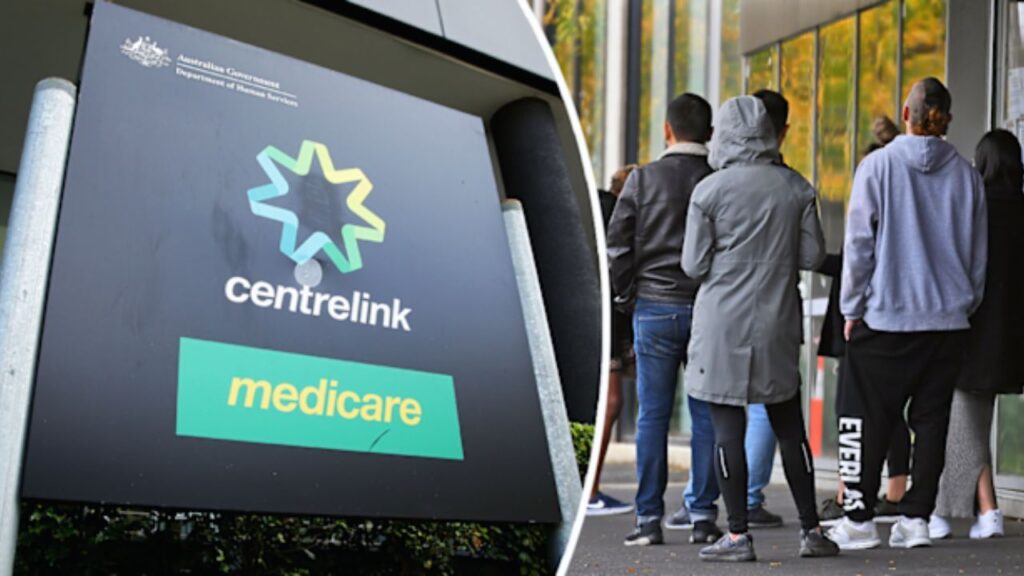
Australia’s welfare landscape is evolving once again, and many recipients are closely watching developments surrounding the widely discussed $750 Centrelink support payment. For years, this payment provided financial breathing room for eligible individuals and households facing economic pressure. Now, with updated claim requirements and shifting policy priorities, uncertainty has emerged about who will continue to qualify and what the future of this payment may look like.
For recipients who rely on consistent financial assistance, even small policy adjustments can create significant concern. Understanding the latest claim rules, eligibility expectations, and possible outcomes is essential for planning ahead and maintaining financial stability.
Understanding the Origin of the $750 Support Payment
The $750 support payment was initially introduced as part of emergency financial assistance during periods of economic disruption. Its purpose was straightforward: deliver timely relief to households experiencing sudden income loss, reduced working hours, or increased living expenses.
Over time, this payment became an important supplement for many individuals receiving income support. It helped cover essential costs such as groceries, household supplies, utility bills, rent contributions, transportation, medical needs, education, and childcare expenses.
While the original rollout addressed urgent financial hardship, the long-term continuation of such payments often depends on changing economic conditions and policy priorities. As a result, recipients are now being asked to pay closer attention to how updated claim rules may influence their eligibility.
Why New Claim Rules Are Creating Uncertainty
Recent adjustments to Centrelink claim procedures have introduced additional verification requirements and updated eligibility checks. These changes are intended to improve efficiency and ensure payments are directed to individuals who meet current criteria.
However, the transition has created confusion among recipients who are unsure how the new system affects their ongoing support.
Key Changes in Claim Requirements
Several updates have drawn attention from recipients.
Increased Documentation Standards
Applicants may now be required to provide more detailed records about their financial situation. This can include updated income statements, proof of employment status, rental or housing verification, and identification or residency documents.
For individuals unfamiliar with digital reporting systems, these additional steps may feel complex or time-consuming.
Real-Time Income Reporting
One of the most notable updates is the shift toward more frequent reporting cycles. Rather than periodic updates, recipients may need to submit income details more regularly to maintain eligibility.
This adjustment aims to reduce overpayments and improve accuracy, but it also requires recipients to remain vigilant about deadlines.
Enhanced Data Matching
Automated systems now compare information across government databases. This process helps detect discrepancies quickly but also increases the likelihood of payment interruptions if records do not match.
Could the $750 Payment Be Phased Out?
A major source of anxiety among recipients is the possibility that the $750 support payment may eventually be reduced, replaced, or discontinued.
While no universal outcome applies to all recipients, several factors influence whether such payments continue.
Economic Conditions
Government support programs often evolve based on broader financial conditions. If economic stability improves, temporary relief measures may be scaled back or redesigned into targeted assistance programs.
Policy Reforms
Changes in welfare strategies sometimes shift focus from one-time payments toward long-term support structures, such as employment incentives or training programs.
Eligibility Refinement
Rather than eliminating payments entirely, authorities may narrow eligibility criteria to ensure assistance reaches those with the greatest financial need.
For recipients, the key takeaway is that program adjustments do not always mean complete removal, but they may result in more selective qualification standards.
How Recipients May Be Affected
The updated claim rules and potential payment changes could impact recipients in several ways, depending on individual circumstances.
Payment Delays or Reviews
Incomplete documentation or missed reporting deadlines may trigger compliance reviews. During these periods, payments could be temporarily paused until verification is completed.
Eligibility Reassessment
Some recipients may be asked to re-confirm their eligibility under revised guidelines. This may involve submitting additional evidence or updating personal information.
Budget Adjustments
If payment amounts change or eligibility shifts, households may need to revise their financial plans to manage daily expenses effectively.
While these outcomes may sound challenging, staying organized and proactive can significantly reduce the risk of disruptions.
Practical Steps to Stay Eligible
Navigating updated claim systems requires careful attention to detail. Fortunately, a few simple strategies can help recipients remain compliant and prepared.
Keep Personal Records Updated
Ensure that all information related to income, employment, housing, and contact details is accurate and current. Outdated records are one of the most common causes of payment delays.
Set Reporting Reminders
Using calendar alerts or digital reminders can help prevent missed deadlines. Even minor delays in reporting income can lead to temporary suspensions.
Monitor Notifications Regularly
Checking your account messages frequently ensures that you respond quickly to requests for additional information. Prompt responses often prevent extended interruptions in payments.
Seek Professional Guidance
Financial counselors and community support services can provide practical advice on managing benefits and adapting to policy updates. Professional guidance can also help households explore alternative support options if eligibility changes.
The Broader Impact on Vulnerable Households
Any potential adjustment to the $750 payment could affect individuals who already operate on tight budgets. These groups may include older individuals relying on fixed incomes, individuals with disabilities, job seekers transitioning between employment opportunities, and families managing rising living costs.
For these households, financial predictability is essential. Even modest reductions in assistance can create ripple effects across housing, nutrition, and healthcare stability.
Community organizations often play a vital role during periods of policy transition, helping recipients understand new rules and maintain access to essential services.
Financial Planning in a Changing Support Environment
Uncertainty around payments highlights the importance of proactive financial planning. Even when benefits remain available, responsible budgeting can reduce vulnerability to sudden changes.
Build a Flexible Budget
Creating a spending plan that allows room for adjustments can help households adapt to shifting income levels. Focus on prioritizing essential expenses, limiting unnecessary spending, and identifying cost-saving opportunities.
Explore Supplemental Income Options
For some individuals, part-time or flexible work opportunities can provide additional stability without affecting eligibility thresholds. Understanding reporting obligations is critical before taking on additional income.
Maintain an Emergency Buffer
Setting aside small amounts regularly, even modest savings, can create a financial cushion during periods of uncertainty.
Looking Ahead: What the Future May Hold
Although questions remain about the long-term future of the $750 Centrelink support payment, the broader direction of welfare policy is becoming clearer. Governments are increasingly focusing on digital efficiency, transparency, and targeted support delivery.
Future developments may include faster processing times through automated systems, improved communication channels for recipients, more personalized support programs based on individual needs, and greater emphasis on accountability and accurate reporting.
For recipients, adapting to these innovations will likely become part of maintaining eligibility in a modernized welfare environment.
Final Thoughts
The conversation around the $750 Centrelink support payment reflects a broader shift in how financial assistance programs are managed. While updated claim rules and eligibility reviews may initially create uncertainty, they also aim to improve fairness and efficiency across the system.
For recipients, the most effective strategy is staying informed, organized, and proactive. By maintaining accurate records, meeting reporting deadlines, and planning finances carefully, individuals can navigate policy changes with confidence and protect their financial well-being.
As the support landscape continues to evolve, awareness and preparation will remain the strongest tools for ensuring continued access to essential assistance.
