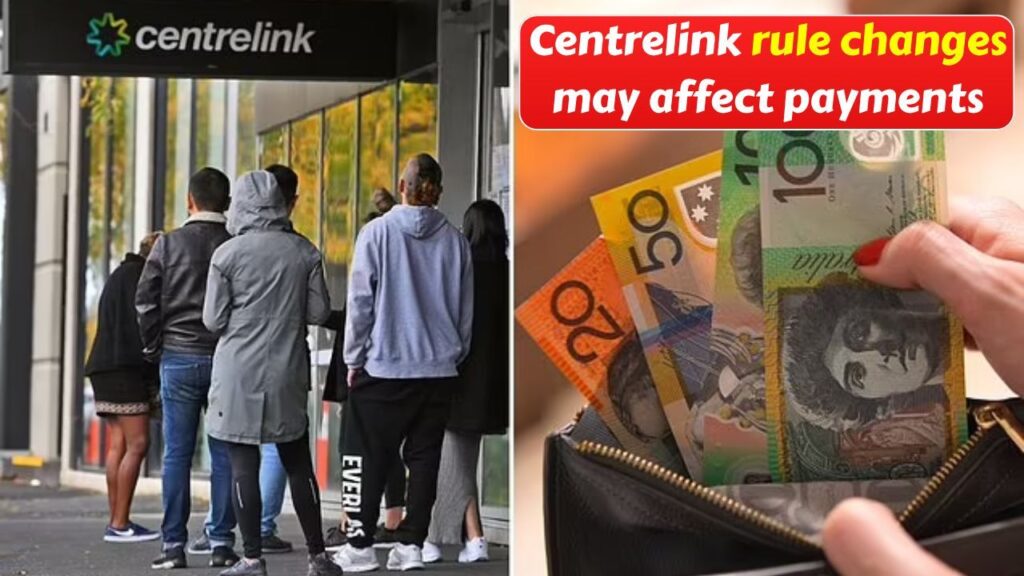
Australia’s welfare framework is entering a new phase in 2026, with updated Centrelink compliance rules designed to strengthen accuracy, accountability, and transparency. These changes reflect a broader shift toward modernized digital systems and stricter verification standards. While the reforms are intended to enhance fairness and reduce administrative errors, they also introduce new responsibilities that recipients must understand to maintain uninterrupted payments.
For thousands of Australians who rely on Centrelink support as part of their financial stability, the updated compliance structure represents both a challenge and an opportunity. Adapting to new reporting requirements and verification processes will be essential to ensuring continued eligibility and minimizing payment disruptions.
Understanding the Purpose of the 2026 Compliance Changes
The introduction of stricter compliance checks is part of a long-term strategy to improve the reliability of welfare programs. By enhancing monitoring systems and refining reporting procedures, authorities aim to ensure that financial assistance reaches eligible recipients accurately and efficiently.
These reforms also focus on minimizing payment errors and preventing overpayments that can create financial complications for recipients later. With improved oversight, the system becomes more responsive to real-time changes in income and circumstances.
Key Objectives Behind the Changes
The new compliance measures are built around several core goals:
- Improving reporting accuracy to reduce payment discrepancies
- Enhancing transparency in the distribution of public funds
- Reducing administrative errors through automated processes
- Strengthening accountability among recipients and administrators
Together, these objectives aim to create a more reliable and sustainable welfare system capable of adapting to modern financial environments.
What the New Compliance Checks Mean for Recipients
One of the most notable features of the 2026 update is the expansion of real-time reporting systems. Instead of relying solely on periodic updates, recipients may now be required to submit income details more frequently.
This change ensures that payments reflect current financial circumstances rather than outdated information. While this approach improves fairness, it also requires recipients to remain more engaged with their reporting obligations.
Expanded Verification and Monitoring
Another major component of the new compliance rules involves enhanced data verification. Automated data matching technology compares information across multiple databases to confirm accuracy.
This process may involve reviewing:
- Income records from employment sources
- Financial details linked to government databases
- Changes in living arrangements
- Updates to personal or employment status
By cross-checking information automatically, the system can detect inconsistencies more quickly, reducing the risk of incorrect payments.
Real-Time Reporting: A Shift Toward Continuous Updates
The transition to real-time reporting represents a significant shift from previous systems. Instead of submitting updates at longer intervals, recipients may need to report income and activity details shortly after changes occur.
While this approach requires more frequent engagement, it also offers advantages. Real-time updates help prevent large adjustments later and reduce the likelihood of unexpected repayment obligations.
Benefits of Real-Time Reporting
Despite the added responsibility, this reporting method offers several advantages:
- Faster updates to payment amounts
- Reduced risk of overpayments
- Improved accuracy in benefit calculations
- Greater confidence in payment reliability
Recipients who adopt organized record-keeping practices will likely find the transition smoother and more manageable.
Increased Documentation Requirements
Another key element of the 2026 compliance update is the requirement for more detailed documentation. In certain cases, recipients may need to provide additional proof to verify their eligibility.
These requirements are designed to strengthen confidence in the system and ensure payments are distributed appropriately. However, they also highlight the importance of maintaining well-organized records.
Common Types of Documentation Requested
Recipients may be asked to submit documents such as:
- Proof of income and employment status
- Updated identification details
- Evidence of household composition
- Records confirming participation in required activities
Keeping these records readily available can help avoid delays during verification reviews.
Activity Requirements and Ongoing Participation
For individuals receiving job-related payments, activity compliance remains a central requirement. This includes participation in employment programs, training opportunities, or job search activities.
Under the updated rules, meeting deadlines and maintaining communication with relevant agencies becomes even more important. Missing scheduled activities or failing to submit required updates could lead to temporary payment interruptions.
Staying Compliant with Activity Requirements
Maintaining compliance may involve:
- Attending scheduled appointments
- Completing assigned job search tasks
- Updating activity logs regularly
- Responding promptly to notifications
Consistency in meeting these obligations can significantly reduce the risk of compliance-related issues.
Preparing for the 2026 Rule Changes
Preparation is one of the most effective ways to manage the transition to updated compliance systems. Individuals who understand their responsibilities early are more likely to maintain uninterrupted payments.
Taking simple organizational steps can help recipients adapt confidently to new reporting standards.
Practical Preparation Strategies
- Review account details regularly for accuracy
- Set reminders for reporting deadlines
- Store documents in accessible digital formats
- Monitor official updates for policy changes
By staying proactive, recipients can reduce stress and maintain greater control over their financial situation.
Managing Compliance Reviews and Notifications
As part of the updated system, recipients may receive compliance review notifications requesting verification of certain details. These reviews are routine and designed to ensure accurate benefit distribution.
Responding promptly to such requests is essential. Delays in providing information may result in temporary payment holds until verification is completed.
How to Handle Compliance Reviews
When receiving a review notice:
- Read the instructions carefully
- Gather requested documentation promptly
- Submit information within the specified timeframe
- Confirm receipt of submitted materials
This structured approach helps ensure smooth processing and minimizes disruptions.
The Role of Technology in Modern Compliance Systems
Digital tools play a central role in the updated compliance framework. Automated systems improve efficiency and allow faster processing of information.
While this shift may require recipients to become more comfortable with digital platforms, it also offers long-term benefits such as faster updates and improved accuracy.
Advantages of Automated Systems
Technology-driven compliance systems provide:
- Faster processing times
- Reduced manual errors
- Improved payment tracking
- Greater transparency in reporting
Learning to navigate digital platforms effectively will be an essential skill for recipients moving forward.
Long-Term Benefits of the Updated Compliance Framework
Although the new rules introduce additional responsibilities, they also deliver long-term advantages for both recipients and administrators. Improved accuracy reduces the likelihood of repayment obligations caused by incorrect payments.
In addition, stronger compliance systems help maintain trust in public support programs by ensuring resources are allocated fairly.
Potential Long-Term Outcomes
- More stable and predictable payment schedules
- Reduced administrative delays
- Improved confidence in eligibility processes
- Greater efficiency in benefit distribution
These improvements support a stronger and more resilient welfare system capable of meeting future demands.
Looking Ahead: Adapting to a Changing Welfare Landscape
The Centrelink rule changes introduced in 2026 represent a significant step toward modernization and accountability. While the transition may initially require adjustment, recipients who remain informed and organized will be well-positioned to manage the changes successfully.
Adapting to new compliance expectations is ultimately about maintaining financial security and ensuring continued access to essential support. By embracing updated reporting practices, maintaining accurate records, and responding promptly to verification requests, recipients can navigate the evolving system with confidence.
As digital tools continue to shape the future of financial assistance programs, staying proactive and informed will remain the most effective strategy for maintaining stability in an increasingly structured support environment.
