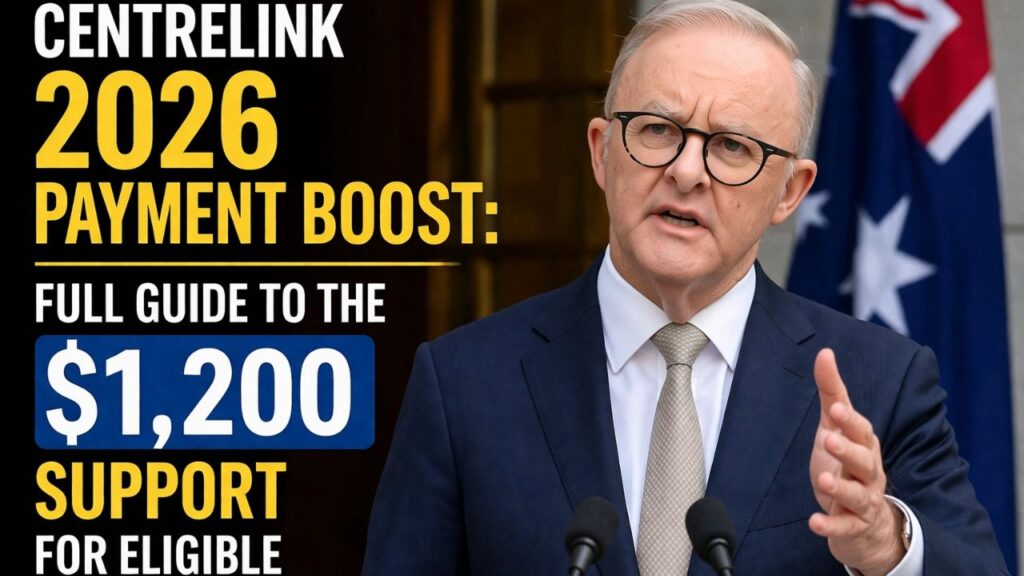
A new Centrelink payment boost worth up to $1,200 in 2026 is gaining attention across Australia, offering much-needed financial relief to eligible recipients facing rising living costs. With inflation pressures continuing to impact household budgets, this targeted support is designed to help pensioners, carers, job seekers, and low-income Australians manage essential expenses.
While not everyone will receive the full amount, the payment represents a meaningful boost for those who qualify, making it important to understand eligibility criteria, payment timelines, and how to access the benefit.
Why the Payment Boost Is Being Introduced
The $1,200 support measure is part of broader efforts to ease financial stress caused by higher costs of housing, groceries, healthcare, and utilities. Many households, particularly those relying on fixed or limited incomes, are feeling the pressure of rising daily expenses.
This payment aims to provide timely financial support while strengthening economic resilience at the household level. By directing assistance toward vulnerable groups, policymakers intend to ensure resources reach those who need them most.
The initiative also reflects the ongoing evolution of support systems designed to respond to changing economic realities. As living expenses shift, targeted financial relief measures help maintain balance and stability for individuals and families alike.
Who Is Eligible for the $1,200 Payment
Eligibility for the Centrelink 2026 payment boost depends on several factors, including the type of benefit received and an individual’s financial circumstances.
Those most likely to qualify include:
Age Pension Recipients
Older Australians receiving the Age Pension are among the primary groups expected to benefit. This support is particularly valuable for individuals managing healthcare costs, housing expenses, and everyday essentials on fixed incomes.
Disability Support Pension Recipients
Individuals receiving Disability Support Pension payments may also qualify, especially if their financial circumstances meet established income and asset thresholds.
Carer Payment Recipients
People providing ongoing care for family members or dependents may be eligible for additional support through this payment boost.
JobSeeker and Youth Allowance Recipients
Certain recipients of JobSeeker and Youth Allowance payments may qualify, particularly those facing financial hardship or limited employment opportunities.
Family Support Recipients
Individuals receiving Family Tax Benefits or holding concession cards may also be considered eligible, depending on their financial profile and household composition.
Income and asset thresholds will play a crucial role in determining eligibility. Not all recipients will receive the same amount, making it important to verify individual circumstances through official channels.
How the Payment Will Be Delivered
The $1,200 support is expected to be delivered either as a one-time lump sum or in smaller installments distributed throughout the year. The final payment structure may vary depending on policy decisions and individual eligibility categories.
For most recipients, funds will be automatically deposited into linked bank accounts. This streamlined process reduces administrative complexity and ensures timely delivery without requiring additional applications.
However, keeping personal details current is essential. Outdated banking or contact information can result in delays, missed notifications, or processing errors.
Digital notifications are typically issued through secure government-linked platforms, providing recipients with clear confirmation once payments are scheduled.
When Payments Are Expected
Payment timing is likely to align with periods when financial pressure is highest. This may include seasonal cost increases or times when household budgets face additional strain.
While exact payment dates may vary, recipients should regularly monitor official updates to remain informed. Processing timelines can also be influenced by public holidays, administrative workflows, and individual payment cycles.
Planning ahead based on expected schedules can help households prepare for upcoming expenses and use funds more effectively.
How Much You Could Receive
Although the headline figure highlights support of up to $1,200, the final amount received will vary depending on personal circumstances.
Some individuals may receive the full payment, while others may receive partial support. Factors that influence payment size include:
- Income level
- Household composition
- Existing support payments
- Duration of eligibility
- Financial dependency factors
Long-term recipients and those facing higher living costs may be prioritized for larger payment allocations.
Understanding these variations allows recipients to plan responsibly and maintain realistic expectations regarding their financial support.
What the Payment Means for Seniors
For seniors, the $1,200 boost can provide meaningful support in managing everyday living costs. Expenses related to healthcare, energy, food, and transportation have increased steadily, placing additional strain on retirement budgets.
The added funds may help cover essential medical needs, maintain household comfort, and reduce anxiety related to financial uncertainty.
Beyond immediate financial relief, this support can contribute to improved overall wellbeing. Greater financial stability often leads to better decision-making, improved lifestyle choices, and increased confidence in managing daily expenses.
Strategic use of these funds can enhance long-term stability, especially when directed toward necessary and recurring expenses.
Budgeting Tips to Maximize the Benefit
Making the most of a financial boost requires thoughtful planning. Establishing a clear budget ensures funds are used efficiently and provide lasting value.
Consider the following strategies:
Prioritize Essential Expenses
Allocate funds toward necessities such as housing, utilities, groceries, and healthcare before considering discretionary spending.
Build a Financial Buffer
Setting aside a portion of the payment for emergencies can provide security during unexpected situations.
Track Spending
Maintaining a simple record of expenses helps identify spending patterns and prevents unnecessary financial leakage.
Avoid Impulse Purchases
Focusing on long-term needs rather than short-term desires increases the overall impact of the payment.
Careful financial management transforms a temporary payment into meaningful long-term support.
Common Mistakes to Avoid
While additional financial support can be helpful, certain misunderstandings can reduce its effectiveness.
One common mistake is assuming the payment represents a permanent income increase. In most cases, this type of support is temporary and should not be relied upon as a recurring benefit.
Another frequent issue involves failing to update personal information. Incorrect banking details or outdated contact records can delay payments or result in missed benefits.
Recipients should also remain cautious of misinformation. Relying only on verified announcements helps prevent confusion and protects against false expectations.
Understanding the structure and limitations of the payment ensures smoother financial planning.
How to Check Your Payment Status
Monitoring payment status is essential to ensure funds are received without complications.
The most effective methods include:
- Logging into secure government-linked accounts
- Reviewing payment history and notifications
- Checking scheduled payment timelines
- Seeking assistance through official support channels when needed
Regular monitoring helps individuals stay informed and respond quickly if adjustments are required.
Being proactive ensures that eligible recipients do not miss important updates or opportunities.
Broader Impact on Households
The $1,200 payment boost has implications beyond individual recipients. Increased household spending can contribute to economic activity, supporting businesses and strengthening local markets.
Targeted financial assistance also helps reduce financial inequality by directing resources toward those experiencing the greatest challenges.
In addition, temporary support measures help stabilize consumption patterns during periods of economic uncertainty. This stability benefits both households and broader financial systems.
Over time, well-structured support initiatives contribute to stronger economic resilience and improved financial confidence across communities.
What You Should Do Now
Individuals who believe they may qualify should review their financial and eligibility details as soon as possible. Confirming accurate personal and banking information reduces the likelihood of delays.
It is also wise to maintain awareness of official announcements and policy updates. Being informed allows recipients to prepare budgets, plan expenses, and maximize the value of available support.
Preparing ahead ensures that financial assistance delivers meaningful results, supporting both immediate needs and longer-term financial wellbeing.
