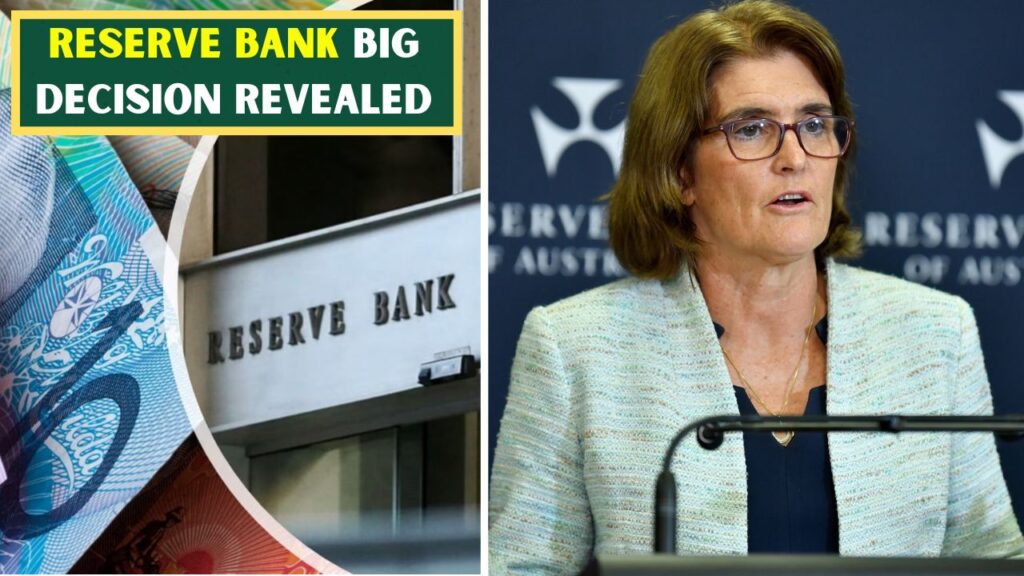
The monetary policy landscape in Australia is under close scrutiny in 2026 as inflation remains persistent and economic conditions continue to shift. The Reserve Bank of Australia is navigating a delicate balance between controlling price pressures and supporting sustainable economic growth.
Interest rate decisions have become a central focus for households, businesses, and financial markets, as borrowing costs directly influence spending, investment, and housing activity. With inflation still above comfortable levels, policymakers face increasing pressure to maintain stability without triggering an economic slowdown.
The current environment reflects a cautious but responsive approach to monetary policy, with each decision carrying significant implications for the broader economy.
Inflation Pressures Shaping Monetary Policy
Inflation remains the key driver behind interest rate decisions in 2026. Despite some moderation compared to previous peaks, price levels for essential goods and services continue to affect household purchasing power.
Persistent inflation is being driven by several factors, including strong consumer demand, elevated service-sector costs, and ongoing global supply chain adjustments. These pressures make it more difficult for inflation to return to target levels quickly.
As a result, the Reserve Bank of Australia must carefully assess whether additional rate adjustments are necessary to prevent inflation from becoming entrenched in the economy.
How Interest Rates Influence Economic Stability
Interest rates remain one of the primary tools used to manage inflation and economic stability. When rates rise, borrowing becomes more expensive for households and businesses, which typically reduces spending and investment activity.
Higher interest rates can help cool inflation by reducing demand, but they also carry the risk of slowing economic growth. This trade-off is central to the Reserve Bank’s decision-making process in 2026.
Lower borrowing activity can also impact consumer confidence, particularly in sectors such as retail, construction, and housing, where credit conditions play a significant role.
Housing Market Sensitivity to Rate Changes
The housing sector is particularly sensitive to interest rate movements. Changes in borrowing costs directly influence mortgage affordability, property demand, and overall housing market activity.
Higher interest rates can reduce buyer demand, leading to slower price growth or stabilization in some regions. However, in supply-constrained markets, price pressures may persist despite tighter financial conditions.
The Reserve Bank of Australia closely monitors housing trends as part of its broader assessment of financial stability, given the sector’s strong connection to household debt levels and economic confidence.
Labour Market and Economic Growth Considerations
In addition to inflation, employment conditions play a key role in shaping monetary policy. A strong labour market can support household income and consumption, but it may also contribute to sustained inflationary pressure if wage growth accelerates too quickly.
In 2026, policymakers are closely watching employment trends to ensure that economic growth remains balanced. A weakening labour market could reduce inflation pressures but may also signal reduced economic momentum.
This balancing act between employment strength and price stability is central to the Reserve Bank’s approach to interest rate decisions.
Global Economic Influences on Domestic Policy
International economic conditions also play a significant role in shaping monetary policy decisions. Global trade flows, energy prices, and currency fluctuations all impact domestic inflation and financial stability.
Uncertainty in global markets can create additional challenges for policymakers, particularly when external shocks influence import costs or investor sentiment.
The Reserve Bank of Australia must therefore consider not only domestic indicators but also broader global trends when determining the appropriate policy response.
Impact on Households and Businesses
Interest rate decisions have direct consequences for households and businesses across the country. For homeowners, changes in rates affect mortgage repayments and overall financial planning.
Higher interest rates typically increase borrowing costs, placing additional pressure on household budgets. This can lead to reduced discretionary spending and more cautious financial behavior.
For businesses, higher financing costs may slow expansion plans and reduce investment in new projects. Small and medium-sized enterprises are particularly sensitive to these changes due to their reliance on credit for operational growth.
Market Expectations and Policy Uncertainty
Financial markets closely monitor every signal from the Reserve Bank of Australia, as expectations about future rate movements influence investment decisions and currency performance.
In 2026, uncertainty remains a key theme, with markets weighing the likelihood of further rate adjustments against signs of moderating inflation. Even subtle changes in language from policymakers can influence market sentiment and economic forecasts.
This heightened sensitivity reflects the importance of clear communication and data-driven decision-making in monetary policy.
Long-Term Outlook for Interest Rates
The long-term trajectory of interest rates will depend largely on how quickly inflation returns to target levels and how the broader economy responds to tighter financial conditions.
If inflation continues to ease steadily, the central bank may adopt a more neutral stance over time. However, if price pressures persist, further tightening may remain on the table.
The overall goal remains to achieve long-term price stability while supporting sustainable economic growth across sectors.
Conclusion
The 2026 interest rate outlook in Australia reflects a complex and evolving economic environment. With inflation still influencing policy decisions, the Reserve Bank of Australia must carefully balance the need for price stability with the importance of economic growth.
Interest rate decisions will continue to shape borrowing costs, housing market conditions, and overall financial confidence throughout the year. As economic indicators develop, policymakers will remain focused on maintaining stability while responding to both domestic and global pressures.
In this uncertain environment, careful monitoring of inflation trends and economic data will be essential in understanding the direction of future monetary policy.
