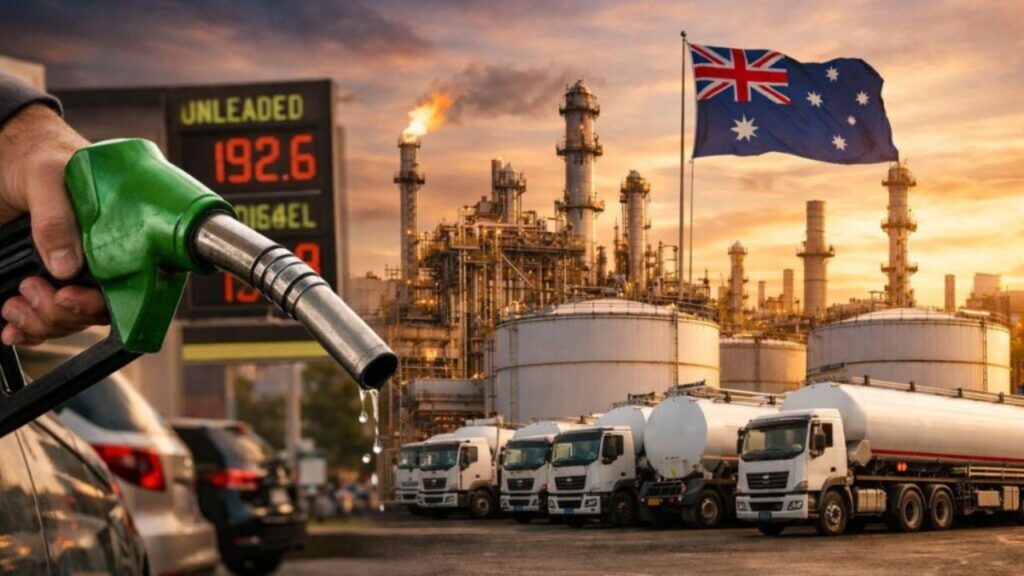
Australia’s fuel security has moved back into the spotlight as global uncertainty continues to affect oil markets and shipping routes. In response to growing public concern, the Australian Government has reassured citizens that the country maintains sufficient fuel reserves for the immediate future.
Officials have confirmed that current supply levels remain stable, but they have also emphasized the importance of responsible purchasing habits—particularly during peak travel seasons when demand typically surges.
While there is no immediate cause for alarm, the evolving global environment highlights the importance of preparedness, efficient fuel use, and long-term energy resilience.
Current Fuel Reserve Levels Across Australia
Australia maintains national fuel reserves across multiple categories to support transportation, aviation, and industrial operations.
Recent government figures indicate the following estimated supply levels:
- Petrol: Approximately 39 days of supply
- Diesel: Around 29 days of supply
- Jet Fuel: Close to 30 days of supply
These reserves represent billions of litres of fuel stored across domestic facilities, commercial depots, and strategic storage locations.
Authorities have confirmed that fuel continues to move through supply chains nationwide, with ongoing deliveries from both domestic refineries and international suppliers. Continuous shipment arrivals help replenish reserves and maintain supply consistency.
Despite reassuring reserve figures, experts note that distribution efficiency—not just total supply—is critical to maintaining availability at local service stations.
Localized Diesel Supply Pressures
While national reserves remain stable, certain regions have experienced temporary disruptions—particularly involving diesel supply.
Diesel plays a critical role in sectors such as:
- Freight transportation
- Agriculture
- Mining operations
- Emergency services
- Construction and infrastructure
Even small interruptions in diesel availability can create ripple effects across industries that depend on uninterrupted operations.
Reports indicate that a limited number of service stations have experienced diesel shortages due to regional demand surges and logistical challenges. Western regions have shown greater sensitivity to supply interruptions due to long transport distances and high industrial demand.
Government agencies are working closely with fuel suppliers and distributors to rebalance inventories and restore availability where shortages have occurred.
Why Governments Urge Responsible Fuel Purchasing
One of the most important messages from officials has been the call to avoid panic buying.
History has shown that sudden spikes in consumer purchasing can create artificial shortages—even when national supply remains adequate. When individuals buy more fuel than they normally need, supply chains struggle to keep pace with localized demand.
The Risks of Panic Buying
Unnecessary fuel stockpiling can lead to several risks:
Temporary Station Shortages
Large, unexpected purchases can quickly empty storage tanks at local service stations.
Safety Hazards at Home
Storing petrol in unsuitable containers or enclosed spaces increases the risk of fire and toxic fumes.
Supply Inequality
Excess buying by some individuals may limit access for essential services or other motorists.
Authorities continue to emphasize that purchasing only normal fuel quantities is the most effective way to maintain nationwide stability.
Improving Fuel Efficiency During High-Demand Periods
When fuel supply concerns arise, improving vehicle efficiency becomes a valuable strategy for both individuals and communities.
Simple changes in driving behavior and vehicle maintenance can significantly reduce fuel consumption.
Practical Fuel Efficiency Tips
Maintain Correct Tyre Pressure
Under-inflated tyres increase rolling resistance, forcing engines to burn more fuel.
Adopt Smooth Driving Habits
Gradual acceleration and steady speeds reduce fuel consumption compared to sudden braking or aggressive driving.
Reduce Unnecessary Travel
Combining errands into single trips helps reduce overall fuel use.
Keep Vehicles Serviced
Regular maintenance ensures engines operate efficiently and consume fuel at optimal levels.
These small adjustments can collectively reduce national demand and extend available supply during periods of strain.
Global Events Affecting Fuel Supply Chains
Australia relies heavily on imported refined fuel, making it sensitive to international supply disruptions.
Global tensions in key maritime regions have created uncertainty in shipping routes that handle a significant portion of the world’s oil trade. When shipping lanes become unstable, fuel deliveries may face delays, increased costs, or rerouting.
Dependence on Imported Fuel
Australia imports a large share of its refined fuel from international markets. Major supply partners include countries across Asia and the Americas.
To strengthen supply continuity:
- Multiple fuel shipments remain in transit toward Australian ports
- Import sources are diversified to reduce reliance on single regions
- Strategic reserves are maintained to buffer temporary disruptions
Even if geopolitical tensions ease, supply chain recovery may take time due to shipping schedules and logistical adjustments.
Australia’s Strategic Response to Supply Challenges
Ensuring fuel stability requires coordination between government agencies, international partners, and domestic industry operators.
Strengthening Distribution Networks
Authorities continue to prioritize:
- Rapid fuel transport to high-demand areas
- Increased monitoring of regional supply levels
- Coordination with service station networks
- Temporary redistribution from surplus locations
These measures help maintain consistent availability across geographically diverse regions.
Supporting International Shipping Stability
Global collaboration remains essential for safeguarding maritime fuel routes.
Diplomatic engagement with multiple international partners focuses on:
- Maintaining secure shipping lanes
- Reducing disruption risks
- Sharing intelligence on emerging threats
- Supporting stable energy trade networks
Stable international logistics remain one of the most critical elements of national fuel security.
Long-Term Energy Security and Resilience
Short-term supply reassurance does not eliminate the need for long-term planning. Governments worldwide are investing in strategies that reduce vulnerability to global disruptions.
Australia continues to explore long-term solutions to strengthen national energy resilience.
Expanding Strategic Fuel Storage
Increasing national reserve capacity helps protect against extended disruptions.
Additional storage facilities allow the country to:
- Hold larger emergency reserves
- Reduce reliance on immediate imports
- Provide greater supply stability during crises
Supporting Alternative Energy Sources
Energy diversification is another major focus area.
Investments in alternative technologies aim to reduce dependence on imported fuels over time. These initiatives include:
- Renewable energy development
- Electric vehicle infrastructure expansion
- Sustainable transport technologies
- Improved public transit systems
Diversification strengthens both environmental sustainability and national energy security.
What Consumers Should Expect in the Near Term
For most motorists and businesses, fuel availability is expected to remain stable, though temporary regional disruptions may continue.
Short-term impacts could include:
- Localized fuel shortages in high-demand areas
- Occasional delivery delays
- Temporary price fluctuations
- Increased public awareness around fuel use
However, steady import arrivals and distribution management efforts are expected to stabilize conditions.
Consumers are encouraged to stay informed through official updates and maintain routine purchasing habits.
Final Thoughts
Australia’s fuel supply remains stable in the short term, with reserves sufficient to support national demand for several weeks. While global uncertainties continue to influence shipping routes and energy markets, coordinated action from government agencies and industry partners is helping maintain steady distribution.
The most effective contribution individuals can make during periods of heightened demand is simple: purchase fuel responsibly, maintain efficient vehicles, and avoid unnecessary stockpiling.
With continued shipments underway and long-term energy strategies developing, Australia is positioning itself to strengthen resilience against future disruptions while maintaining reliable access to one of the country’s most essential resources.
