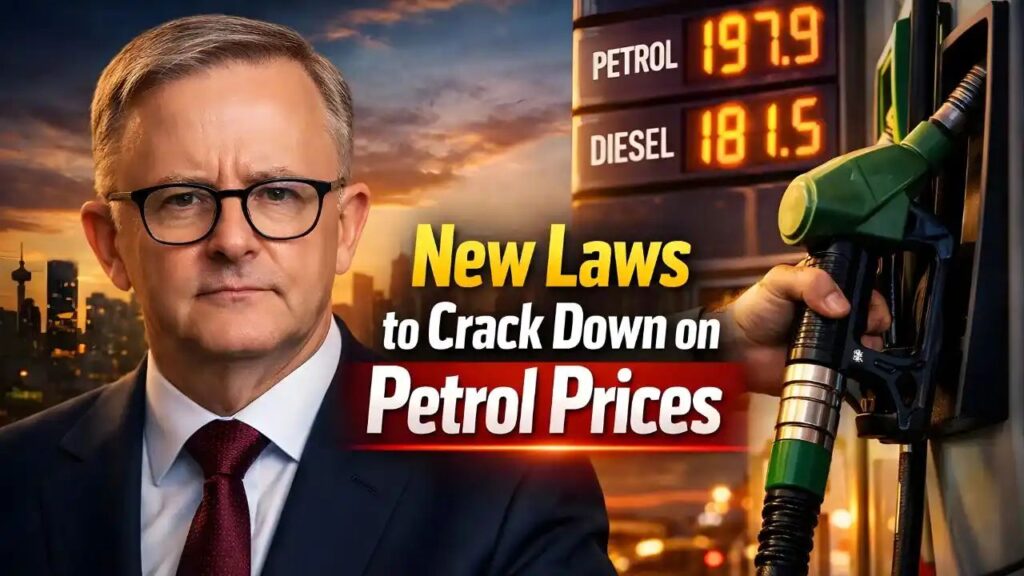
Australia is entering a new phase of fuel market reform as the government prepares to introduce sweeping laws designed to address rising petrol costs and improve transparency across the industry. For years, drivers and businesses have faced unpredictable price fluctuations that have strained household budgets and increased operational expenses.
The 2026 fuel pricing legislation represents a strategic shift toward accountability, fair competition, and consumer empowerment. Rather than imposing strict price controls, the new framework focuses on creating a transparent marketplace where pricing practices are easier to understand and monitor.
This article explores the major provisions of the new laws, why they were introduced, and what they mean for drivers, retailers, and the broader economy.
Why Petrol Pricing Reform Became Necessary
Petrol prices have long been a source of financial pressure for Australian households. Sudden price spikes, regional price differences, and limited visibility into wholesale costs created frustration among consumers and small businesses alike.
Rising Cost-of-Living Pressures
Fuel is a critical daily expense for commuters, delivery operators, and service-based businesses. When prices increase unexpectedly, the ripple effect extends to transportation costs, retail prices, and overall living expenses.
Public dissatisfaction intensified in recent years as drivers questioned whether price increases were always justified by market conditions.
Concerns Over Market Practices
Regulators and consumer groups identified recurring concerns such as:
- Possible price gouging during peak demand periods
- Limited transparency around wholesale costs
- Market dominance by large, vertically integrated companies
- Barriers preventing smaller retailers from entering the market
These factors collectively prompted policymakers to design reforms that balance market freedom with consumer protection.
Key Features of the 2026 Petrol Pricing Laws
The new legislation introduces several structural reforms aimed at improving fairness and accountability within the fuel sector.
Stronger Enforcement Against Misconduct
One of the most significant elements of the reform package is increased regulatory authority.
Fuel retailers found engaging in unfair practices—such as collusion, price manipulation, or misleading pricing—may face:
- Substantial financial penalties
- Formal investigations
- Suspension or revocation of operating licenses in severe cases
This tougher stance aims to discourage unethical behavior and build trust between retailers and consumers.
Mandatory Pricing Transparency
Transparency is a cornerstone of the new legal framework.
Retailers will be required to disclose:
- Wholesale fuel costs
- Distribution expenses
- Retail profit margins
These disclosures are expected to be presented in clear, publicly accessible formats, enabling drivers to understand how fuel prices are calculated.
By increasing visibility, the law encourages accountability while allowing consumers to make better-informed purchasing decisions.
Encouraging Greater Market Competition
Another major objective of the reforms is to create a more competitive fuel marketplace.
Lower Barriers for New Retailers
Historically, entering the fuel retail market required significant capital and regulatory approvals, which discouraged smaller businesses from competing with established chains.
Under the new framework:
- Licensing procedures may be streamlined
- Infrastructure access rules may be simplified
- New entrants may gain fairer market access
This shift is expected to encourage innovation and provide consumers with more fuel purchasing options.
Supporting Independent Retailers
Independent operators often face challenges competing with large networks that control multiple stages of fuel supply.
By improving access and reducing entry barriers, the reforms aim to:
- Strengthen independent fuel stations
- Increase price competition
- Improve regional fuel availability
Over time, these changes may help stabilize pricing patterns across urban and rural locations.
What the New Laws Do Not Include
While the reforms introduce significant changes, they deliberately avoid certain measures often associated with price regulation.
No Direct Government Price Controls
The government will not set fixed petrol prices under the 2026 legislation.
Instead, the focus remains on:
- Transparency
- Competition
- Market accountability
Allowing market forces to operate within a fair and regulated environment ensures flexibility while discouraging manipulation.
No Immediate Guarantee of Lower Prices
Although the reforms aim to reduce unfair pricing practices, they do not promise instant price reductions.
Petrol prices will still be influenced by:
- Global oil markets
- Supply chain disruptions
- Currency exchange rates
- International geopolitical developments
However, improved oversight is expected to limit unjustified price spikes.
Benefits for Consumers and Households
The reforms are designed to deliver meaningful advantages to everyday drivers.
Greater Price Awareness
With mandatory disclosure rules in place, consumers will gain clearer insights into fuel pricing structures.
This transparency allows drivers to:
- Compare prices across retailers
- Identify competitive stations
- Avoid inflated pricing
Better information leads to smarter spending decisions.
Improved Market Trust
Public confidence in the fuel sector has been affected by years of perceived pricing inconsistencies.
By strengthening monitoring systems and enforcing fair practices, the government aims to restore trust and create a more predictable fuel purchasing experience.
Economic Impact Beyond Fuel Prices
The new legislation is expected to influence multiple sectors beyond petrol retail.
Reduced Business Operating Costs
Businesses that rely heavily on fuel—such as logistics, agriculture, and delivery services—stand to benefit from more stable pricing.
Even moderate improvements in fuel stability can lead to:
- Lower transportation expenses
- Improved profit margins
- More predictable budgeting
These gains may indirectly support economic growth.
Potential Innovation in Fuel Services
A more competitive environment encourages innovation across the industry.
Possible developments include:
- Digital pricing comparison platforms
- Loyalty-based fuel programs
- Enhanced customer service models
- Expansion of alternative fuel options
Such changes could reshape the customer experience in the long term.
Challenges in Implementing the New Laws
Despite strong intentions, implementing large-scale reforms comes with practical challenges.
Monitoring and Enforcement Complexity
Regulators must track large volumes of pricing data across numerous fuel stations.
Key challenges include:
- Detecting subtle pricing irregularities
- Investigating potential collusion
- Maintaining consistent enforcement standards
Effective technology and regulatory staffing will be essential for successful oversight.
Industry Adaptation
Fuel retailers may need to adjust business models to comply with new requirements.
This may involve:
- Updating reporting systems
- Training staff on compliance procedures
- Adjusting pricing strategies
While adaptation may take time, long-term stability is expected to outweigh short-term disruptions.
The Role of Consumers in the New System
Consumer participation is a critical component of the reform strategy.
Reporting Suspicious Pricing
Drivers will have the ability to report unusual price patterns or suspected misconduct.
Active participation helps regulators:
- Identify trends quickly
- Launch targeted investigations
- Improve market oversight
Public involvement strengthens accountability across the entire system.
Making Informed Purchasing Decisions
Transparency tools allow consumers to evaluate pricing before filling their tanks.
Choosing competitively priced stations encourages:
- Healthy competition
- Fair pricing behavior
- Market efficiency
Over time, consumer choices can influence overall pricing trends.
Long-Term Outlook for Australia’s Fuel Market
The 2026 petrol pricing reforms mark a strategic evolution in how the fuel industry operates.
While the immediate impact may vary, long-term expectations include:
- Greater pricing consistency
- Reduced risk of unfair price manipulation
- Improved consumer confidence
- A more balanced competitive environment
These changes align with broader economic goals focused on transparency, efficiency, and consumer protection.
Conclusion
Australia’s 2026 petrol pricing laws represent a decisive step toward creating a fairer and more transparent fuel marketplace. By strengthening regulatory authority, requiring detailed cost disclosures, and promoting competition, the government aims to address long-standing concerns about pricing fairness.
Although the reforms do not guarantee immediate price reductions, they establish a framework designed to stabilize the market and protect consumers from unjustified costs. Over time, these measures are expected to enhance trust, encourage innovation, and deliver meaningful financial benefits to households and businesses alike.
As implementation approaches, both consumers and industry participants will play a vital role in shaping the future of Australia’s fuel economy.
