Children have a remarkable way of understanding the world through empathy, honesty, and imagination. While adults often rely on logic, routines, and expectations, children respond with curiosity and genuine emotion. Their natural compassion often appears in everyday moments—simple actions that reveal profound understanding of kindness and connection.
These heartwarming moments highlight how children frequently demonstrate empathy, patience, and creativity in ways that inspire adults to reflect on their own behavior. They remind us that kindness is not something we learn only through experience—it is something we are often born with and rediscover through meaningful observation.
Seeing the World Beyond Assumptions
Children have a unique way of describing the world without filters or assumptions.
In one situation, a parent was called to school after their child wrote an essay describing their mother’s job in an unusual way. The description sounded alarming at first, suggesting arguments and exchanges of money. However, the truth was entirely innocent—the mother worked at a busy retail store during a promotional sale.
The child had simply described what she observed without judgment. This moment showed how children often present facts without attaching unnecessary conclusions, encouraging adults to pause before reacting.
Choosing Creativity Over Criticism
Many adults expect mistakes when children experiment, but creativity often replaces chaos.
One parent walked into a kitchen expecting to scold their seven-year-old for drawing on the wall. Instead, they discovered a carefully designed map showing different food flavors stored in the refrigerator. Colors represented sweet, sour, and spicy items, while arrows guided placement.
Rather than random scribbles, it was a thoughtful visual system created to organize meals. This moment revealed how children approach challenges with creativity rather than fear of failure.
Pure and Genuine Empathy in Action
Empathy does not always come through dramatic gestures—it often appears through thoughtful planning.
After a parent missed an important sports event, they expected disappointment or frustration. Instead, the child wrote a gentle note and programmed reminders to ensure the parent remembered the next game.
This response demonstrated emotional intelligence beyond expectation. Rather than focusing on frustration, the child chose a solution that strengthened connection.
Friendship Without Boundaries
Children form relationships based on comfort and curiosity rather than social expectations.
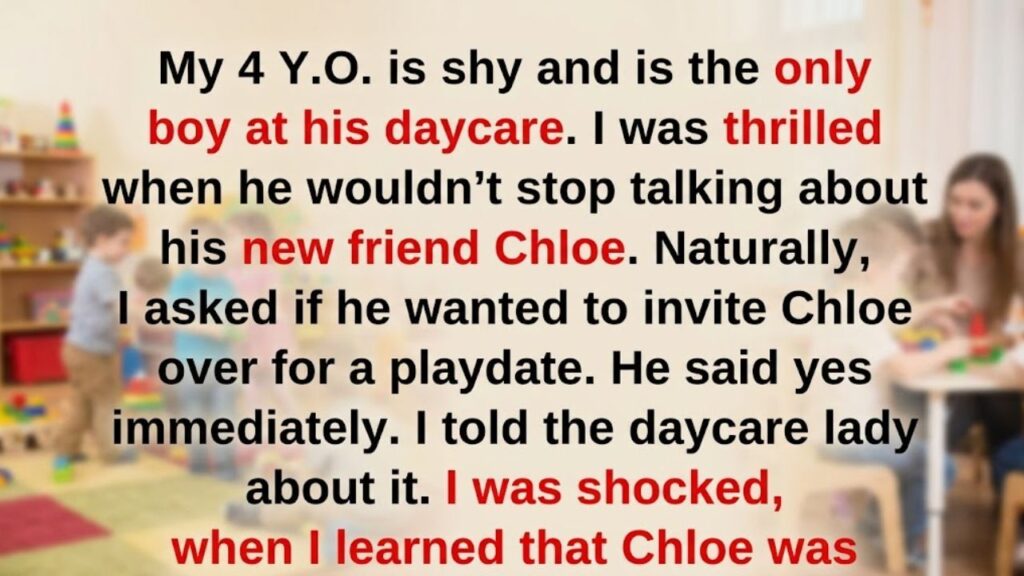
One parent felt proud when their shy four-year-old mentioned making a new friend named Chloe. Excited about the possibility of social growth, the parent arranged a meeting. Later, they discovered Chloe was actually the daycare cat.
While humorous, the moment reflected a deeper truth—children define friendship by joy and connection rather than traditional labels. Their openness teaches adults to reconsider rigid definitions of companionship.
Turning Challenges Into Opportunities
Resilience often begins in childhood through simple problem-solving.
When a favorite toy broke, a parent assumed it would be discarded. Instead, the child gathered tools and turned the damaged toy into something new—a creative hybrid of imagination and resourcefulness.
This moment showed how children focus on possibility rather than loss. Their willingness to transform setbacks into opportunities reflects a mindset adults often strive to rebuild.
When Imagination Meets Responsibility
Children often blend creativity with responsibility in unexpected ways.
Late one evening, a child requested help with homework. Expecting unfinished tasks, the parent discovered a beautifully illustrated assignment filled with imaginative storytelling. The child had transformed a routine task into a meaningful project.
This example highlighted how children view responsibilities as opportunities for expression rather than burdens to complete.
Thoughtfulness in the Smallest Details
Acts of kindness frequently appear in subtle ways.
One parent noticed their grocery list covered with colorful drawings and playful symbols. Initially assumed to be scribbles, the markings turned out to be helpful suggestions—stars marking favorite foods and symbols pointing to healthier alternatives.
The child’s effort showed thoughtful participation in family routines. It demonstrated how kindness can appear through attention to detail and a desire to contribute.
Understanding Emotions Without Words
Children often recognize emotional tension before adults acknowledge it.
After returning home from a particularly stressful day, one parent discovered a handwritten “family happiness plan” created by their child. The plan included scheduled time for meals, play, and relaxation.
This thoughtful response revealed deep emotional awareness. The child had observed stress and responded with a practical solution designed to restore harmony.
Strength in Moments of Disappointment
Adaptability is one of the strongest qualities children possess.
When a planned outdoor trip was canceled due to rain, disappointment seemed inevitable. Instead, one child designed an “Indoor Adventure” filled with games and creative challenges.
Rather than focusing on what was lost, the child redirected energy toward creating joy. This resilience reminds adults that flexibility often leads to unexpected happiness.
The Value of Fairness and Teamwork
Children naturally understand fairness when encouraged to collaborate.
During a disagreement between siblings over shared belongings, tension began to rise. Instead of escalating the situation, one child suggested a simple rotation system that allowed equal time for each person.
This balanced solution reflected a clear sense of justice and cooperation. It demonstrated how fairness can emerge naturally when children are given space to solve problems independently.
Expressing Truth Through Creativity
Children often communicate emotions through art and storytelling.
One child created a comic strip that documented everyday family life. The drawings included humorous details, honest observations, and thoughtful reflections about routines.
This creative expression provided insight into how children view their environment. It also revealed how art allows young minds to process emotions and communicate ideas effectively.
Kindness That Expects Nothing in Return
Perhaps the most powerful quality children possess is unconditional generosity.
In one instance, a child quietly helped a classmate who struggled to complete assignments. Without being asked, the child shared materials and offered encouragement. No reward was expected, and no recognition was requested.
This simple gesture showed how kindness becomes meaningful when it is offered freely.
Lessons Adults Can Learn From Children
These moments go beyond charming anecdotes. They serve as reminders that empathy, creativity, and generosity often exist in their purest form during childhood.
Children approach life with openness and curiosity. They ask questions freely, share without hesitation, and offer support without calculating outcomes. Adults, burdened by responsibilities and expectations, sometimes lose touch with these natural instincts.
Observing children provides an opportunity to reconnect with these essential values.
The True Meaning of Simple Compassion
One of the defining differences between children and adults lies in spontaneity.
Children respond to emotions immediately. If they see sadness, they offer comfort. If they notice confusion, they provide help. They rarely hesitate or question whether their efforts are enough.
Adults, in contrast, often overanalyze situations. They worry about outcomes, perceptions, or potential misunderstandings. In doing so, they sometimes miss opportunities to make a difference.
Learning from children means embracing simplicity and acting with sincerity.
Why Childhood Kindness Matters in Modern Life
In an increasingly fast-paced world, kindness remains one of the most valuable skills individuals can possess. Emotional intelligence, collaboration, and compassion are essential qualities for building strong relationships and thriving communities.
Children demonstrate these abilities naturally. Their instincts remind adults that meaningful connections begin with empathy and attention.
Encouraging kindness in childhood ensures these values continue into adulthood, shaping future leaders, innovators, and caregivers.
Final Reflections
These twelve moments illustrate a powerful truth: children often understand kindness and compassion in ways that inspire even the most experienced adults.
Their actions are not driven by obligation or expectation. Instead, they come from genuine emotion and natural empathy. By observing their responses to everyday situations, adults can rediscover patience, creativity, and understanding.
Ultimately, children remind us that compassion does not require perfection. It requires presence, awareness, and the willingness to care. When we embrace these qualities, we create stronger relationships, happier homes, and communities built on trust and kindness.
