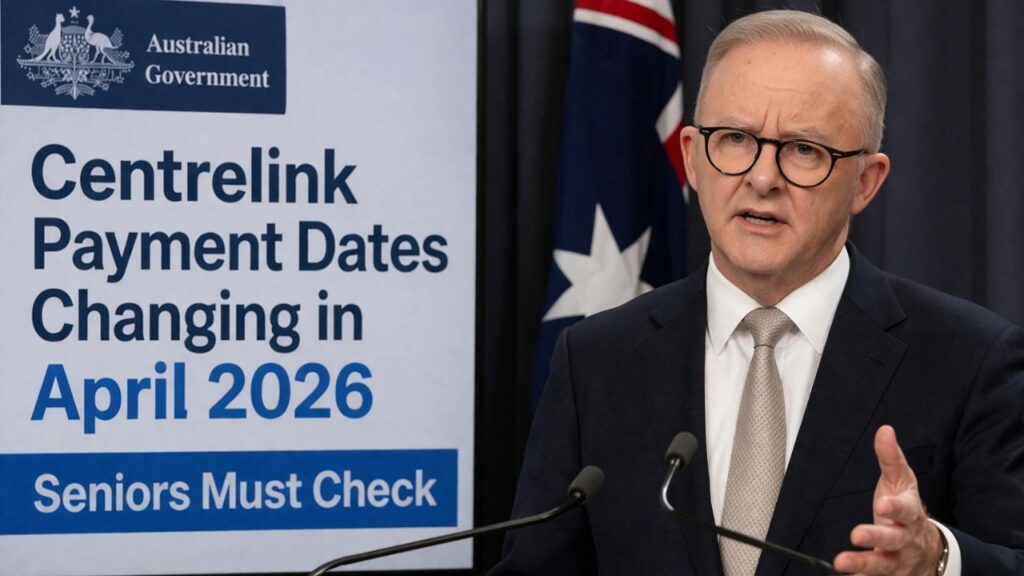
Centrelink payment schedules are undergoing adjustments in April 2026, prompting seniors and other recipients to review their updated payment dates without delay. While these changes are part of routine administrative planning, they can still influence budgeting habits and day-to-day financial management.
For many retirees, Centrelink payments form the foundation of their financial stability. Even a small shift in timing can impact when bills are paid, groceries are purchased, or medications are refilled. Understanding the reasons behind these changes and preparing in advance can help ensure a smooth transition and avoid unnecessary financial stress.
Why Centrelink Payment Dates Are Changing in April 2026
Payment date changes typically occur when scheduled deposits coincide with public holidays or non-processing days. April is one of the months most likely to see adjustments due to major national holidays, particularly those surrounding the Easter period.
When processing offices are closed, payments cannot be issued on the usual dates. Instead, authorities often move payment dates forward to ensure recipients receive their funds before closures begin. While this approach helps prevent delays, it can also create confusion if recipients expect funds to arrive on their normal schedule.
Administrative updates and internal system adjustments may also influence payment timing. These routine changes are designed to maintain efficiency, accuracy, and reliability across millions of transactions.
Who Will Be Affected by the April 2026 Payment Adjustments
The April 2026 payment schedule changes primarily affect seniors and individuals who depend on regular government support payments. This includes recipients of the Age Pension, Disability Support Pension, and Carer Payment, as well as some other benefit categories.
Seniors are particularly impacted because their finances often rely on consistent, predictable income cycles. A change of even one or two days can affect payment deadlines for rent, utilities, or loan installments.
Recipients who receive payments fortnightly should pay close attention to their updated schedule. Even if the payment amount remains unchanged, timing adjustments can influence how funds are distributed throughout the month.
Understanding whether your payment falls within the adjusted dates is essential for avoiding unexpected cash flow gaps.
What the New Payment Schedule Means for Your Finances
One of the most important aspects of the April payment update is that some payments may arrive earlier than usual. While receiving funds ahead of schedule may feel beneficial at first, it does not represent an additional payment.
Instead, the next scheduled payment will follow the adjusted cycle, which may create a longer interval between deposits than recipients are used to. Without careful budgeting, this gap can lead to financial pressure toward the end of the payment period.
For example, if a payment is issued several days early due to a public holiday, recipients must ensure the funds last until the next scheduled deposit. Spending patterns may need temporary adjustments to maintain balance.
Understanding this timing shift helps prevent the common mistake of overspending during the early payment period.
How to Check Your Updated Centrelink Payment Dates
Staying informed about your payment schedule is the most effective way to avoid confusion. Several reliable methods are available to confirm updated payment dates.
Use Your Online Account
Logging into your official online account allows you to view upcoming payment dates, amounts, and any schedule changes. This platform provides real-time updates, making it one of the most convenient tools for monitoring payments.
Regularly checking your account ensures you remain aware of any unexpected adjustments.
Mobile App Notifications
For those comfortable using mobile technology, official mobile applications provide instant alerts and reminders. These notifications can be especially helpful during months with multiple public holidays.
Having payment information readily accessible can improve financial awareness and reduce uncertainty.
Contact Support Services
Recipients who prefer direct assistance can reach out to support services by phone or in person. Speaking with a representative can clarify payment timing and answer any questions about schedule changes.
Seeking assistance early helps prevent confusion later.
Smart Budgeting Strategies During Payment Changes
Adapting to a revised payment schedule requires thoughtful budgeting. Even temporary adjustments benefit from careful planning and organization.
Review Your Monthly Expenses
Start by listing essential expenses such as rent, utilities, groceries, insurance, and healthcare costs. Align these payments with your updated deposit dates to ensure funds are available when needed.
Knowing exactly where your money goes allows you to make informed adjustments.
Set Aside Funds for Later Use
If you receive a payment earlier than expected, consider setting aside a portion of the funds to cover expenses closer to the next payment date.
Separating money into categories—such as essentials, savings, and discretionary spending—can help maintain discipline and prevent overspending.
Adjust Automatic Payments
If you use automatic bill payments, review their timing to ensure they align with your updated deposit schedule. Adjusting payment dates may help avoid missed deadlines or late fees.
Small changes can make a significant difference in maintaining financial stability.
Common Mistakes Seniors Should Avoid
Payment schedule changes often lead to misunderstandings, especially during months with multiple public holidays.
One of the most common mistakes is assuming an early payment is a bonus or extra payment. In reality, it simply replaces a later payment date. Treating it as additional income can result in shortages before the next cycle begins.
Another mistake is ignoring official messages or notifications. Updates often contain valuable information about schedule changes, and overlooking them can lead to unnecessary confusion.
Failing to update contact details is also risky. If personal information is outdated, important notices may not reach you on time.
Remaining attentive to communication helps prevent avoidable issues.
Support Options Available for Seniors
Navigating payment schedule changes does not have to be overwhelming. Several support systems are available to assist seniors during this transition.
Financial counseling services can provide guidance on managing expenses and creating realistic budgets. These professionals help individuals understand how to stretch payments across extended intervals.
Community organizations often offer workshops and assistance programs designed to help seniors manage financial changes. Family members and caregivers can also provide valuable support by reviewing payment schedules together.
Seeking help early ensures confidence and peace of mind.
Why Payment Awareness Is Important for Long-Term Planning
Although the April 2026 changes may appear temporary, they highlight the importance of staying informed about payment timing throughout the year.
Public holidays, administrative updates, and seasonal processing schedules can influence payment timing at various points. Developing strong financial awareness helps recipients respond effectively to these adjustments.
Maintaining a small emergency reserve—even a modest one—can provide an additional safety net during months with irregular payment cycles.
Over time, these habits contribute to greater financial resilience and independence.
What Seniors Should Do Right Now
Immediate action can help prevent confusion and financial disruption. Seniors should log into their accounts or check official communication channels to confirm their April 2026 payment dates.
Reviewing upcoming expenses and aligning them with the new schedule is a practical step toward maintaining stability. Planning ahead ensures that funds are available when needed and reduces the risk of shortfalls.
Staying informed, adjusting spending habits, and monitoring payment timelines are the most effective ways to navigate schedule changes confidently.
While the April adjustments may only last for a short period, proactive planning ensures that daily life remains smooth and stress-free, regardless of when payments arrive.
